







- China’s temporary halt in soybean imports signals strategic recalibration amid shifting domestic and international pressures.
- Reduced Chinese purchases exert downward pressure on global soybean prices, complicating supply chain forecasts.
- US soybean exporters face heightened uncertainty as demand timing and volumes from China become less predictable.
- The pause highlights broader geopolitical and agricultural supply-chain tensions influencing commodity trade flows.
What happened
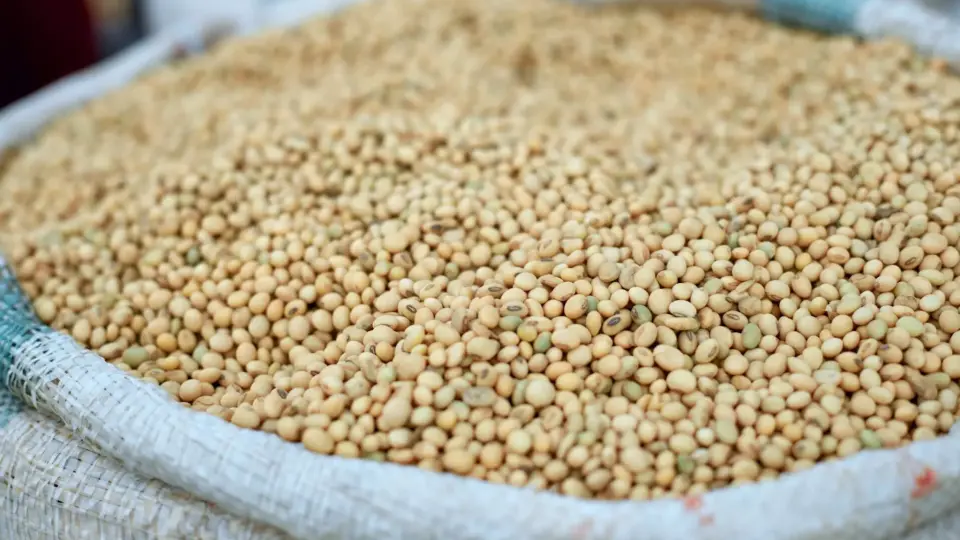
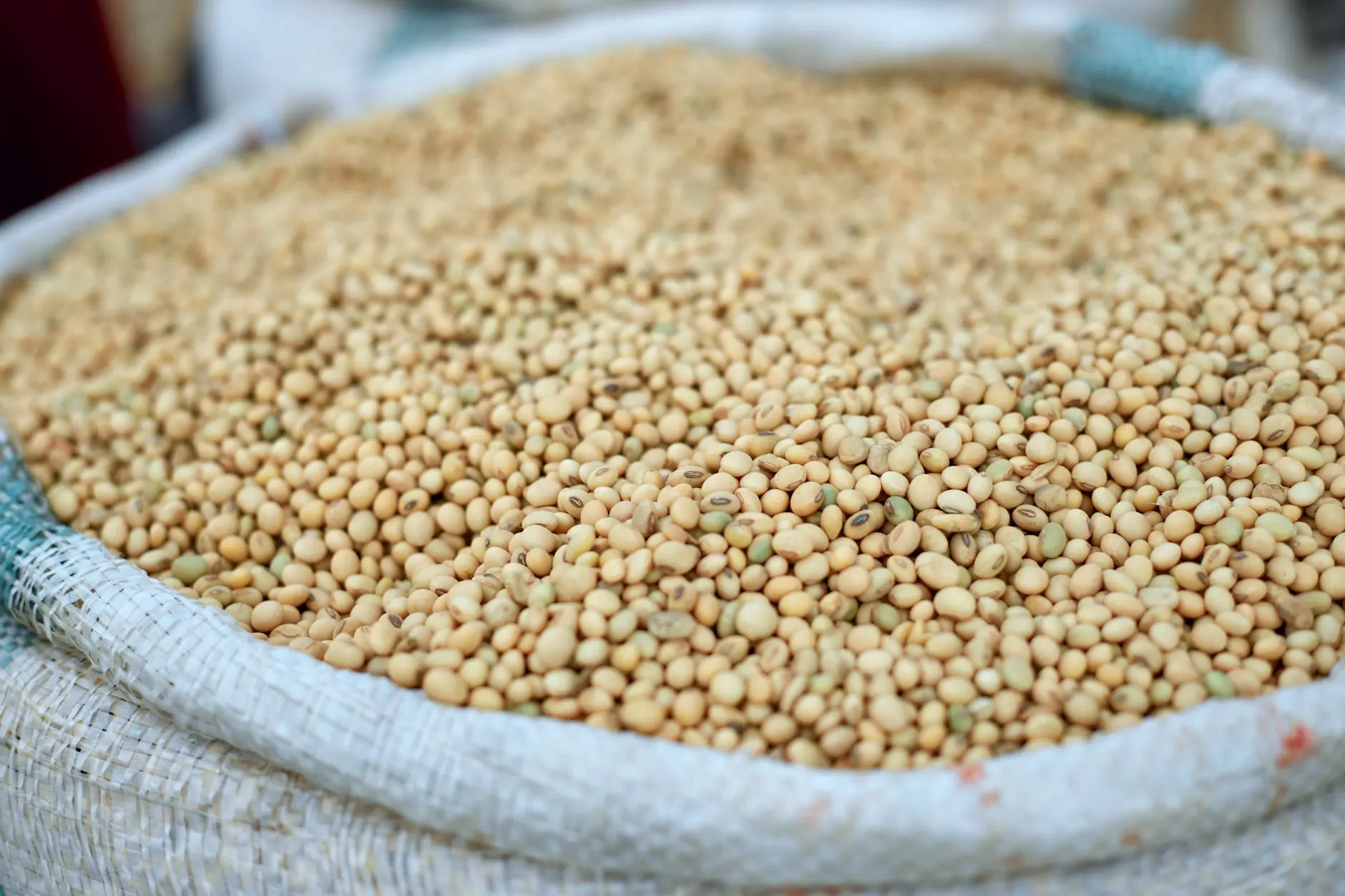
In recent weeks, China has notably scaled back its soybean purchases from international suppliers, particularly the United States, which remains the largest global exporter. This pause in buying activity comes after a period of robust import volumes that had supported global price levels. Traders and analysts observed that China’s importers are currently reluctant to commit to new contracts, awaiting clearer signals on domestic stock levels and future market conditions. The slowdown has led to a visible decline in soybean futures prices, reflecting traders’ anticipation of softened demand from the world’s top soybean consumer.
Why it matters
China’s soybean import behavior directly influences global agricultural commodity markets due to the sheer scale of its consumption. The country relies heavily on soybeans as a key input for animal feed, supporting its vast livestock sector. A reduction—or even a temporary pause—in Chinese purchases disrupts the delicate balance between global supply and demand. This affects not only price volatility but also the strategic decisions of exporters, who must manage inventory and market risk amid uncertainty. Moreover, fluctuations in soybean trade can ripple through related sectors, including shipping, fertilizers, and other agricultural inputs, amplifying economic impacts beyond the grain markets themselves.
Industry context
Soybeans stand at the intersection of global trade, agricultural policy, and geopolitics. The United States dominates exports, with Brazil and Argentina as significant competitors, while China remains the single largest importer. Recent years have seen trade tensions and tariff disputes reshape soybean flows, compelling Chinese buyers to diversify sourcing and adjust purchasing strategies. Domestic Chinese agricultural policies—such as efforts to stabilize pork production post-African swine fever outbreaks—also influence soybean demand patterns. Additionally, weather conditions in major growing regions and global logistical challenges contribute layers of complexity to the supply chain, making demand forecasting a challenging endeavor.
Analysis
China’s purchasing pause can be interpreted as a tactical response to multiple overlapping factors. Elevated domestic soybean reserves, bolstered by prior large imports and potentially increased local production, reduce the immediate need for fresh shipments. Concurrently, China may be leveraging its import timing as a bargaining tool amid ongoing trade negotiations or geopolitical frictions, signaling that it will not rush to fill gaps until terms meet strategic objectives. For US exporters, this creates a precarious situation: the timing and volume of demand are less predictable, complicating planting decisions and financial planning. The market’s reaction—manifested in falling futures prices—reflects an adjustment to a new, less certain equilibrium. This pause also underscores the vulnerability of global agricultural markets to single-country demand shifts, revealing structural dependencies that leave producers exposed to external policy and economic decisions.
What to watch next
Market participants will closely monitor Chinese import data in the coming months to assess whether this pause develops into a sustained reduction or is simply a temporary inventory adjustment. Domestic indicators such as soybean stock levels, livestock production trends, and policy announcements will provide clues to future demand trajectories. On the international front, weather developments in major producing countries and logistical factors—such as shipping costs and port capacities—will influence export capabilities and timing. Additionally, evolving geopolitical dynamics, including trade negotiations between China and the United States, remain a critical variable shaping purchasing strategies. The interplay of these factors will determine whether the current market adjustment stabilizes or triggers more pronounced shifts in global soybean trade flows.
Ask AI about this story
Answers are based on this article and SN Media’s related coverage. AI can make mistakes.
Frequently asked questions
Why has China temporarily paused its soybean purchases?
China's pause is likely due to elevated domestic soybean reserves from previous imports and possibly increased local production, as well as strategic considerations amid trade negotiations and geopolitical tensions.
How is Chinau2019s purchasing pause affecting global soybean markets?
The pause has caused a decline in global soybean futures prices and increased uncertainty for exporters, particularly in the US, complicating supply chain forecasts and market risk management.
What broader factors influence Chinau2019s soybean demand beyond immediate import decisions?
China's demand is shaped by domestic agricultural policies like stabilizing pork production, trade tensions prompting sourcing diversification, weather conditions in producing countries, and logistical challenges affecting supply chains.
What should market participants monitor to understand the future of Chinau2019s soybean imports?
Key indicators include Chinese import data, domestic stock levels, livestock production trends, policy announcements, weather in producing regions, logistical factors, and the progress of trade negotiations between China and the US.
Continue the story
 BACKGROUND · How we got here
USDA Supply Cuts Spark Rally in European Grain Markets
BACKGROUND · How we got here
USDA Supply Cuts Spark Rally in European Grain Markets
- BACKGROUND · How we got here The Rise of Brazilian Sorghum: What It Means for Global Agricultural Markets
- BACKGROUND · How we got here US-China Trade Talks in New York: Implications for Global Markets
- BACKGROUND · How we got here The Rise of AI in China: Implications for Consumer Market Investors
- BACKGROUND · How we got here How Falling Oil Prices Are Reshaping US Stock Market Sentiment