







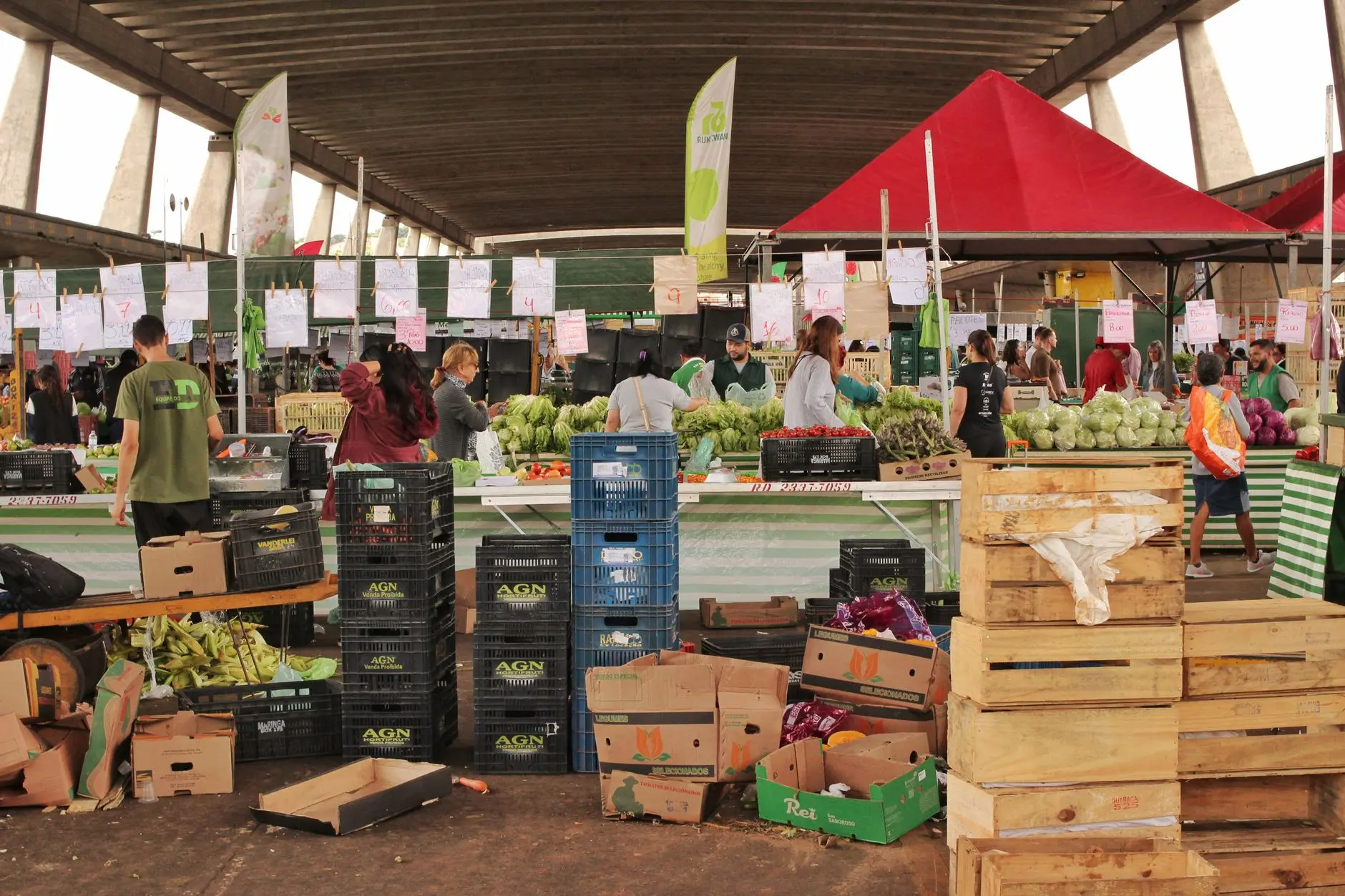
- Brazil’s sorghum acreage has expanded rapidly, challenging traditional US dominance in key export markets.
- Shifts in global grain supply chains are intensifying competition and influencing price volatility in sorghum and related cereals.
- Brazil’s strategic investments in infrastructure and crop diversification are reshaping regional agricultural dynamics in South America.
- Emerging trade patterns underscore the growing importance of non-traditional producers in meeting rising global feedstock demand.
The Rise of Brazilian Sorghum: What It Means for Global Agricultural Markets
What Happened
Over the past decade, Brazil has significantly increased its sorghum production, transforming from a minor player into a major exporter on the global stage. Once overshadowed by the United States, the world’s largest sorghum producer for decades, Brazil’s expanding cultivation area—particularly in Mato Grosso and other central-western states—has bolstered its position in international commodity flows. This growth is driven by both domestic policy incentives and international demand, notably from Asian markets and global feed manufacturers. The result is a complex rebalancing of supply sources for sorghum, a crop traditionally valued for its resilience and role in animal feed.
Why It Matters
Sorghum, while less prominent than corn or wheat, plays a critical role in feed grain markets, especially in regions sensitive to climatic variability. Brazil’s rise introduces new dynamics in global agricultural supply chains. Increased Brazilian exports diversify the sourcing options for countries reliant on sorghum, reducing dependency on US shipments. This diversification can mitigate risks associated with climate shocks, trade restrictions, and price spikes. Additionally, as Brazil leverages its logistical infrastructure improvements and export competitiveness, the price-setting mechanisms in sorghum markets may shift, affecting producers and consumers worldwide. Understanding these shifts is essential for stakeholders from policymakers to agribusinesses navigating the evolving landscape.
Industry Context
Historically, the US has dominated sorghum production and exports, particularly to China, which consumes sorghum primarily for animal feed and industrial use. However, recent trade tensions and tariffs have encouraged Chinese buyers to seek alternative suppliers. Concurrently, Brazil has capitalized on its comparative advantages—such as lower production costs, favorable climate conditions, and expanding rail and port infrastructure—to increase sorghum output. This expansion aligns with broader agricultural diversification trends in Brazil, which faces challenges related to soybean market saturation and environmental concerns. Meanwhile, global feed demand continues to rise, driven by population growth and dietary shifts, creating pressure to secure stable, cost-effective grain supplies.
Analysis
Brazil’s sorghum expansion reflects a strategic response to multiple intersecting factors. First, the country’s agronomic conditions—such as its Cerrado region’s suitability for sorghum and the crop’s drought tolerance—offer resilience against climate stressors affecting other grains. Second, Brazil’s investments in transportation corridors and port capacity have reduced logistical bottlenecks that previously constrained export volumes. Third, international trade realignments, including US-China trade disruptions, have opened export opportunities that Brazilian producers are actively exploiting.
This evolution is not without trade-offs. Brazilian sorghum production expansion competes with other crops for arable land, raising concerns about land use change and environmental impact. Moreover, the increased global supply introduces pricing pressures that could strain margins for producers in both Brazil and the US. For US farmers, the competitive challenge may necessitate innovation or shifts toward higher-value crops. For global buyers, the diversification of suppliers enhances bargaining power but also demands more complex supply chain management to navigate differing quality standards, phytosanitary requirements, and delivery timelines.
What to Watch Next
Key indicators to monitor include Brazil’s sorghum planting intentions and yield performance in upcoming seasons, as these will signal the sustainability of the current growth trend. Further developments in Brazilian infrastructure investments, particularly in rail and port expansions, will be critical in determining export capacity and cost competitiveness. On the demand side, evolving trade relations—especially between China, the US, and Brazil—will shape market access and volume flows. Additionally, climate variability and regulatory shifts related to land use and environmental sustainability will influence production patterns. For global commodity markets, the interplay between Brazilian sorghum’s rise and the responses of traditional producers will be decisive in shaping price stability and supply security in the medium term.
Ask AI about this story
Answers are based on this article and SN Media’s related coverage. AI can make mistakes.
Frequently asked questions
How has Brazil's role in global sorghum production changed recently?
Brazil has rapidly expanded its sorghum acreage over the past decade, evolving from a minor player to a major exporter, challenging the traditional dominance of the United States in key export markets.
What factors have contributed to Brazil's increased sorghum production and export capacity?
Brazil's growth is driven by favorable agronomic conditions like drought tolerance, strategic investments in transportation and port infrastructure, domestic policy incentives, and opportunities arising from international trade realignments such as US-China trade tensions.
What are the implications of Brazil's sorghum expansion for global markets and producers?
Brazil's rise diversifies global sorghum supply, reducing dependency on US shipments and potentially shifting price-setting mechanisms. However, it also introduces pricing pressures that may affect producer margins and requires buyers to manage more complex supply chains due to differing standards and logistics.
What uncertainties or future developments should be monitored regarding Brazil's sorghum sector?
Key areas to watch include Brazil's future planting intentions and yields, ongoing infrastructure investments, evolving trade relations especially involving China and the US, and environmental or regulatory changes affecting land use and sustainability. These factors will influence the sustainability of Brazil's growth and its impact on global price stability and supply security.
Continue the story
 LATEST
China’s Soybean Purchasing Pause: Implications for Global Agricultural Markets
LATEST
China’s Soybean Purchasing Pause: Implications for Global Agricultural Markets