






On October 10, 2026, President Trump said it was time for Ukraine to get a new leader. He also demanded that Volodymyr Zelensky stop striking Russian oil refineries, blaming Ukraine for disruption to diesel supplies and rising prices. His intervention followed an agreement with Vladimir Putin to bring Russian diesel onto international markets.
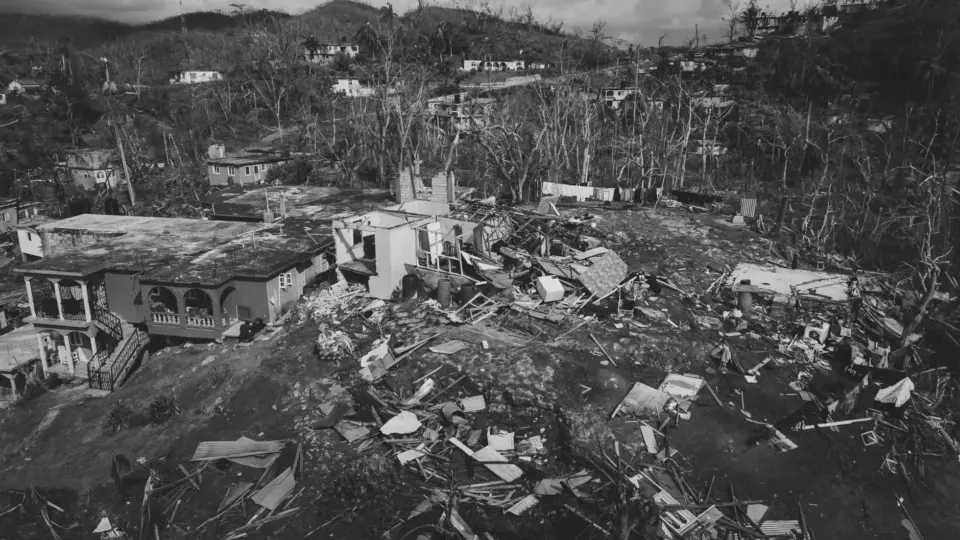
For Ukrainians, the contrast is painful: their means of putting pressure on Russia are being challenged while Russia continues to destroy the country they are defending.
Trump’s explanation of the fuel crisis requires scrutiny. Ukrainian refinery attacks can affect supplies, but they cannot reasonably be presented as the sole cause of a global crisis. The war in Iran and disruptions to Middle Eastern oil flows are also major factors behind rising energy prices.
The interests of consumers, farmers and businesses matter. But so do the lives of Ukrainians whose homes, livelihoods and futures are disappearing under bombardment.
Russia’s attacks reach far beyond the battlefield. They damage energy facilities, destroy factories and warehouses, disrupt transport and force businesses to close. The consequences extend from lost wages to falling tax revenues and fewer resources for essential public services.
Behind every damaged building and every interrupted service is someone struggling to maintain an ordinary life.
A child cannot attend school. A family loses its apartment and everything it spent years building. An IT specialist loses the reliable internet connection needed to work. A driver loses the job that supported a household because a business has closed, a vehicle has been destroyed or a route has become unsafe.
A damaged power station means a cold apartment, an interrupted working day, a hospital dependent on backup power, or another night in which a parent cannot reassure a frightened child.
For years, Ukrainians have been unable to board a civilian flight from an airport in their own country. A journey that once took hours can require long overland travel before even reaching an airport abroad. Visiting relatives, travelling for work or returning home has become an exhausting logistical challenge.
Ukrainians are struggling daily for almost every aspect of normal life: studying, working, travelling, heating their homes, staying connected and keeping their families safe. Ordinary routines have become uncertain privileges.
This is where international calculations become morally inadequate.
Putin pursues Russia’s war aims and the preservation of his power. Trump presents diplomacy through the language of deals, domestic prices and American interests. European leaders balance support for Ukraine against their own security concerns, budgets and electoral pressures. Zelensky must defend national sovereignty while preserving international backing and his authority at home.
These competing calculations do not carry equal responsibility. Russia launched the full-scale invasion. Criticising other leaders must never obscure that fundamental fact.
But Ukrainians have every right to ask whether their survival is still the central objective of diplomacy—or whether it is becoming one consideration among many.
They now face a cruel dilemma: continue supporting the president who became the face of their resistance, or acknowledge that their country cannot endure an unlimited continuation of destruction.
Even that formulation risks doing them an injustice.
Questioning Zelensky is not necessarily a betrayal. Wanting peace is not cowardice. Exhaustion is not consent to occupation. A population can remain committed to its independence while demanding a different strategy from its leaders.
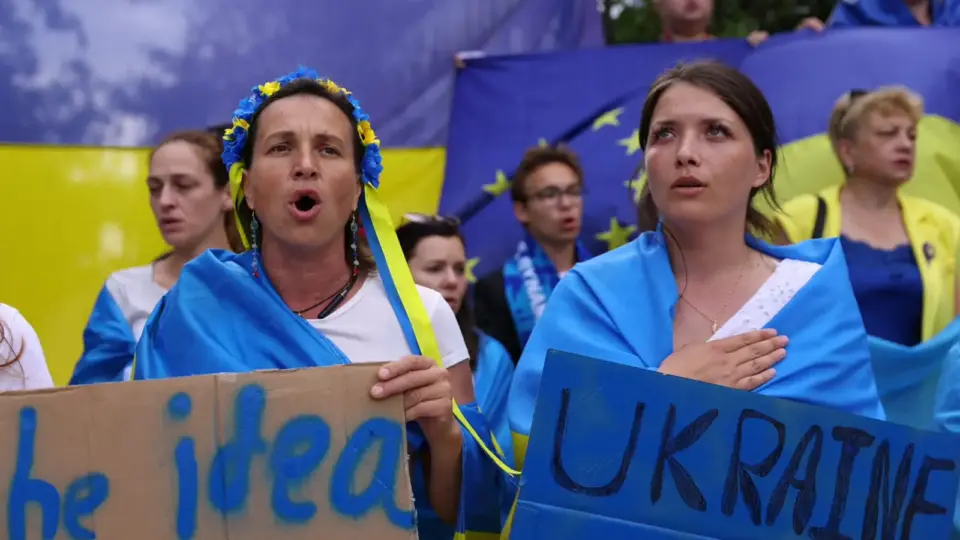
Ukrainians have different experiences, convictions and expectations. No foreign president can speak on their behalf or decide who should govern them.
Zelensky’s contribution nevertheless deserves recognition. His decision to remain in Kyiv in the opening days of the invasion helped embody a resistance that many abroad had doubted was possible. His leadership helped sustain international attention and support. Those achievements belong alongside the sacrifices of soldiers, volunteers, emergency workers, businesses and families.
Ukraine has already achieved something historic: Russia did not conquer the entire country or extinguish Ukrainian statehood.
That can reasonably be understood as a strategic victory, even though the war continues and a secure peace remains elusive. Survival has denied Moscow the complete submission of Ukraine. Recognising that achievement does not minimise occupied territory, bereavement or destruction.
It makes another question unavoidable: how can that survival now become a future worth living?
A president’s historic contribution cannot exempt him from accountability. Equally, a nation’s desire for relief cannot justify imposing a settlement that leaves it exposed to another invasion.
The responsibility of Ukraine’s partners is to help make a durable peace possible—with credible protection, reconstruction and Ukrainian participation. The protection of Ukrainian lives must carry at least as much weight as the protection of international markets.
Ukrainians should not have to choose between gratitude and scrutiny, between dignity and relief, or between loyalty to their country and the admission that they are exhausted.
Their resilience deserves more than admiration. It deserves a political response that recognises its limits.
They have demonstrated that Ukraine can survive.
The task of leadership now is to ensure that Ukrainians can live.
Ask AI about this story
Answers are based on this article and SN Media’s related coverage. AI can make mistakes.
Continue the story
 LIVE · Follow the latest developments
Hurricane Simon live: Category 4 storm nears Mexico’s Pacific coast
LIVE · Follow the latest developments
Hurricane Simon live: Category 4 storm nears Mexico’s Pacific coast